Valves are essential control points in industries such as chemicals, oil and gas, and pharmaceuticals. They regulate the flow of liquids, gases, and other hazardous substances. However, improper handling or accidental operation of valves can lead to chemical spills or leaks, which may cause injuries, equipment damage, and environmental harm. For this reason, implementing effective safety measures is critical. Among these measures, valve lockouts play a key role in preventing incidents and maintaining safe operations.
First of all, a valve lockout device is a safety tool designed to physically secure a valve in a fixed position, typically in the closed or off state. By preventing unauthorized or accidental operation, valve lockouts ensure that hazardous substances cannot flow during maintenance or repair work.
In addition, valve lockouts are an important part of a Lockout Tagout (LOTO) system. While locks provide physical restraint, tags communicate important safety information to workers. Together, they create a clear and controlled environment where equipment remains isolated until it is safe to operate again.

Before understanding the benefits of valve lockouts, it is important to look at the common causes of chemical incidents. One major factor is human error, such as unintentionally opening or closing the wrong valve. In busy industrial environments, this can easily happen without proper safeguards.
Another common cause is failure to isolate energy or fluid sources during maintenance. If a valve is not properly secured, pressure buildup or residual flow can lead to sudden releases. Furthermore, poor communication among workers, especially in multi-person operations, increases the risk of accidental valve operation. These issues highlight the need for reliable lockout solutions.
Given these risks, valve lockouts provide a practical and effective solution. By physically locking valves in place, they eliminate the possibility of accidental movement. This is especially important during maintenance, when even a small change in valve position can result in hazardous leaks.
Moreover, valve lockouts improve visibility and awareness. When combined with warning tags, they clearly indicate that a system is under maintenance and should not be operated. As a result, workers are less likely to make mistakes, and overall safety is improved.
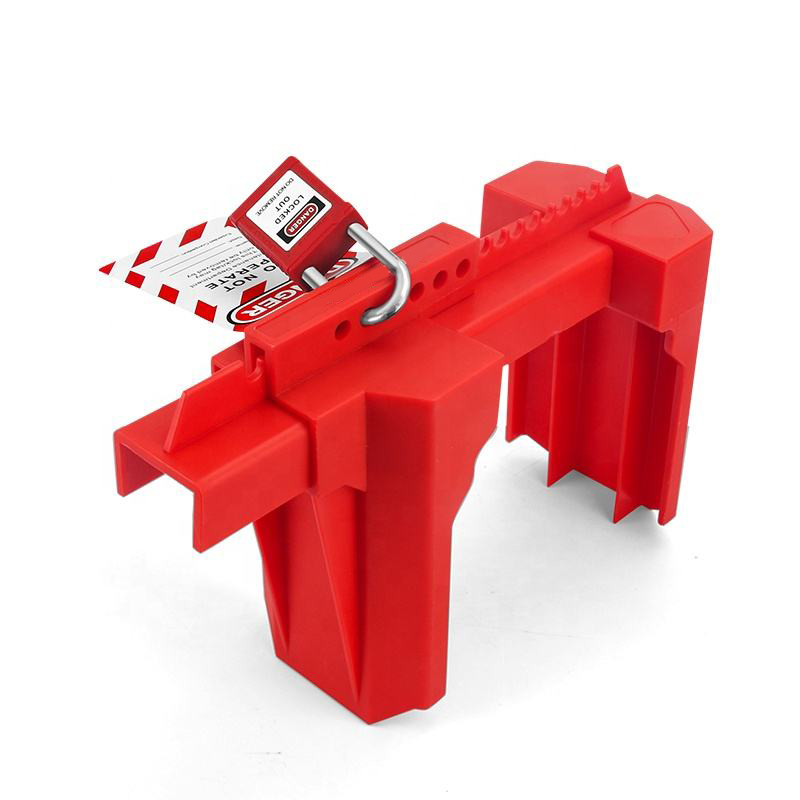
When selecting valve lockouts, it is important to choose the right type for the specific valve design. For example, ball valve lockouts are commonly used for quarter-turn valves, while gate valve lockouts are designed for larger, round-handled valves. Butterfly valve lockouts are suitable for compact systems, and universal valve lockouts can adapt to various shapes and sizes.
Because different industrial systems use different valve types, having a range of lockout devices ensures flexibility. This allows companies to apply consistent safety measures across all equipment, regardless of design or complexity.
To ensure proper use, valve lockouts should be applied following a clear procedure. First, identify all valves connected to the system and determine which ones need to be isolated. Next, shut off the valve completely to stop the flow of hazardous material.
After that, install the appropriate valve lockout device and secure it with a safety padlock. A warning tag should also be attached to provide information about the lockout, including the responsible person and the reason for the action. Finally, verify that the valve cannot be operated and that no leakage risk remains before starting maintenance work.
By following these steps, workers can create a safe and controlled environment for repairs.
In addition to proper usage, several best practices can further enhance safety. Regular inspection of valve lockout devices is essential to ensure they remain in good condition. Damaged or worn devices should be replaced immediately.
Furthermore, companies should establish standardized LOTO procedures and ensure all employees receive proper training. In situations involving multiple workers, group lockout methods should be used so that each person applies their own lock. This prevents premature removal and ensures full protection throughout the process.
Clear labeling and color coding can also improve visibility and reduce confusion in complex work areas.
From a regulatory perspective, valve lockouts help companies comply with safety standards related to hazardous energy control. Organizations such as OSHA require effective procedures to prevent accidental releases during maintenance activities.
By using proper lockout devices and following documented procedures, companies can meet these requirements and pass safety inspections. More importantly, compliance supports a safer workplace and reduces the likelihood of serious incidents.
Beyond safety, valve lockouts also offer economic and environmental advantages. Preventing chemical spills reduces material waste and avoids costly cleanup operations. It also helps protect equipment from damage caused by uncontrolled leaks.
In addition, minimizing spills supports environmental protection efforts and helps companies maintain a responsible reputation. Reduced downtime and fewer accidents also contribute to improved operational efficiency.
In summary, valve lockouts are essential tools for preventing chemical spills and leaks in industrial environments. By securing valves, improving visibility, and supporting standardized procedures, they play a critical role in protecting workers, equipment, and the environment.
For companies aiming to enhance their safety systems, investing in reliable valve lockout solutions is a practical and effective step.
ELECPOPULAR SAFETY, established in 2013, specializes in high-quality industrial lockout tagout devices, including a full range of valve lockouts. With strong production capabilities, strict quality control, and international certifications, ELECPOPULAR SAFETY provides dependable safety solutions for industries worldwide. Contact ELECPOPULAR SAFETY today to improve your LOTO program and ensure safer, more efficient operations.




COPYRIGHT© 2024 Elecpopular Safety Products Co., Ltd. All rights reserved.
Designed by 


