In industrial settings, workplace safety is a top priority. One of the most effective ways to protect employees from hazardous energy during maintenance and repairs is through the use of electrical lockout devices. These devices are a critical component of a comprehensive lockout tagout (LOTO) program, preventing accidents caused by unexpected machine start-ups, electrical shocks, or the release of stored energy. Understanding the proper usage and best practices of electrical lockout devices is essential for creating a safe work environment.
Electrical lockout devices are specialized tools designed to isolate energy sources and prevent machinery from operating while maintenance or repairs are underway. They are typically used on circuit breakers, switches, plugs, and electrical panels. Common types include breaker locks, plug locks, adjustable cable lockouts, and hasp lockout devices. Choosing the right device depends on the equipment being serviced and the type of energy source. By using the correct device, organizations can reduce risks and ensure compliance with OSHA and ANSI safety standards.
These devices are designed to be durable and reliable, often made from steel, nylon, or reinforced plastic. Their robust construction helps resist tampering and withstand industrial environments, providing a dependable solution for energy isolation.
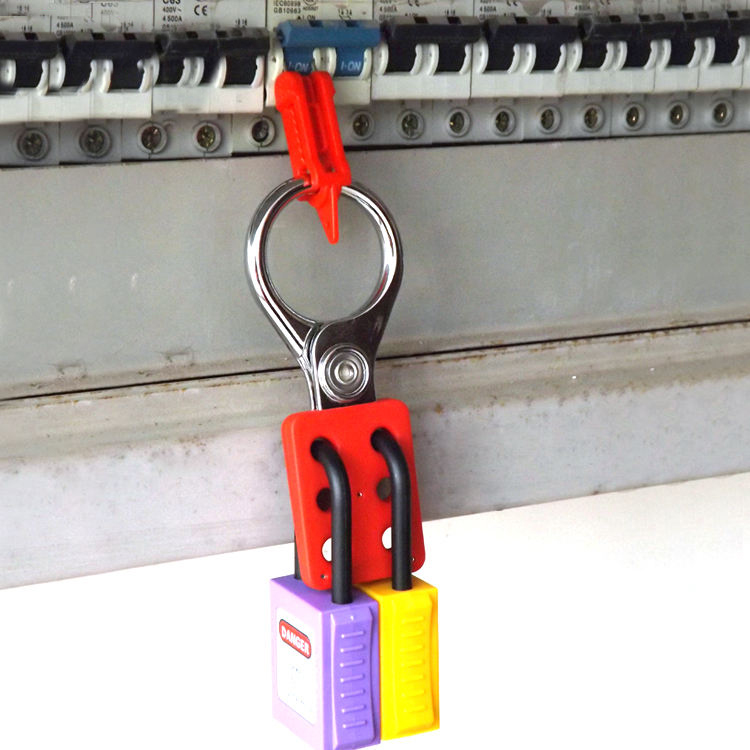
Implementing proper lockout procedures is crucial for employee safety and equipment protection. LOTO procedures ensure that machinery cannot be accidentally energized during maintenance. Following a step-by-step process not only prevents injuries such as electrical shocks or mechanical accidents but also protects expensive machinery from damage. Additionally, adhering to proper LOTO procedures helps companies comply with OSHA regulations and demonstrates a commitment to workplace safety.
To maximize safety, it is important to follow a structured lockout process:
By consistently following these steps, industrial workplaces can maintain a high standard of safety and compliance.
Several best practices ensure the effectiveness of electrical lockout devices:
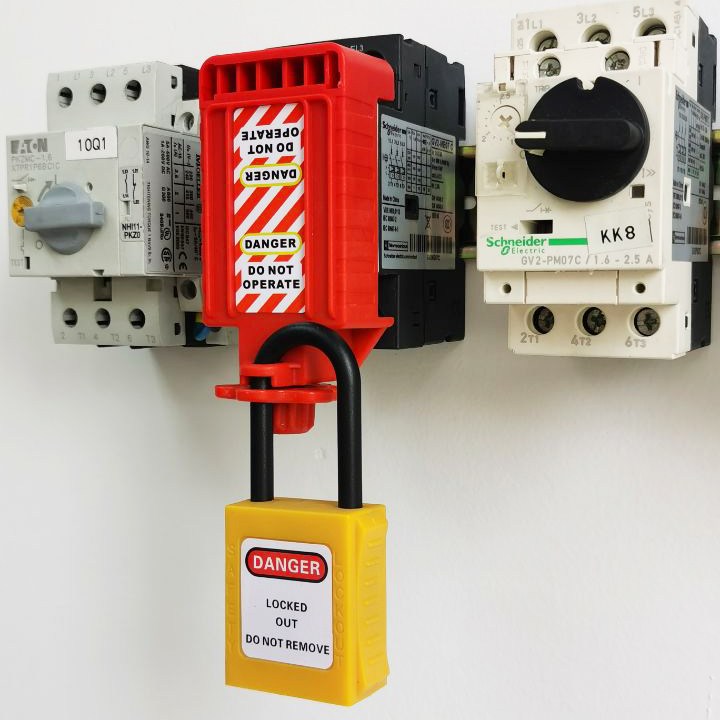
Properly implemented electrical lockout devices offer numerous advantages in industrial settings:
By adopting these practices, companies can foster a safety-conscious culture and ensure that employees understand the importance of lockout procedures.
Electrical lockout devices are indispensable for industrial safety, providing reliable protection against accidental energization and hazardous energy. By understanding the types of devices available, following proper LOTO procedures, and implementing best practices, organizations can protect their employees, maintain regulatory compliance, and improve operational efficiency.
Invest in ELECPOPULAR SAFETY’s electrical lockout devices today to safeguard your workforce and enhance your industrial safety program. Our solutions provide durable, reliable, and compliant lockout options for a wide range of industrial applications.




COPYRIGHT© 2024 Elecpopular Safety Products Co., Ltd. All rights reserved.
Designed by 


