In the oil and gas industry, where hazardous energy sources and complex machinery are prevalent, worker safety is paramount. Among the various safety protocols in place, Lockout Tagout (LOTO) procedures play a crucial role in safeguarding workers from accidents. A standardized LOTO program, which includes the use of lockout devices, is essential for controlling hazardous energy during maintenance, repairs, or servicing of equipment. In this article, we will explore the role of lockout devices in preventing accidents, minimizing downtime, and complying with safety regulations in the oil and gas sector.
Lockout devices are critical components of a lockout tagout system designed to prevent the unexpected release of hazardous energy. These devices physically secure equipment, isolating power sources to ensure that machinery cannot be accidentally re-energized while workers are conducting maintenance or repair activities. In the oil and gas industry, these devices are indispensable, considering the vast number of energy sources that power equipment, including electrical, mechanical, hydraulic, and pneumatic systems.
By incorporating lockout devices, companies can ensure that equipment is de-energized and isolated before any maintenance begins, effectively preventing accidental startups that could cause serious injuries or even fatalities.
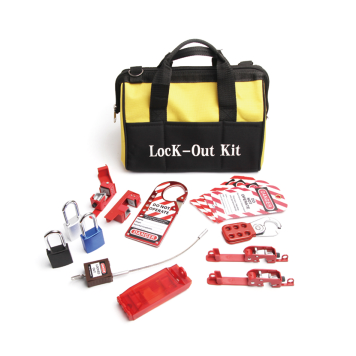
The oil and gas industry relies on a wide array of energy sources, many of which are potentially dangerous to workers. These include:
Without proper energy control, these systems present significant risks. Lockout devices are essential to ensuring that all these energy sources are effectively isolated, preventing them from being accidentally activated during maintenance.
In the high-risk environment of oil and gas operations, preventing accidents is the primary goal of LOTO procedures. Lockout devices help achieve this by ensuring that hazardous energy sources are completely isolated before work begins. By physically locking the energy control devices, these systems prevent unauthorized or accidental re-energization of equipment.
For example, a valve lockout could prevent the release of toxic or flammable gases from pipeline valves during repairs, while an electrical lockout device could prevent electric shock or arc flash incidents when working on electrical panels. In essence, these devices ensure that equipment remains inoperative, protecting workers from injury while also safeguarding expensive machinery from potential damage.
The most significant benefit of using lockout devices in oil and gas facilities is the enhancement of worker safety. By isolating equipment and ensuring it cannot be inadvertently powered up during maintenance, these devices significantly reduce the risk of accidents, injuries, and fatalities.
Lockout devices also protect the assets themselves. The risk of damage to equipment—whether from an accidental startup or the release of stored energy—can lead to costly repairs or replacements. By preventing unintended activation, lockout devices help preserve the integrity of the equipment, reducing repair costs and ensuring that operations continue smoothly.
Regulatory bodies like OSHA require companies in hazardous industries to implement Lockout Tagout programs. A comprehensive LOTO system, including the proper use of lockout devices, ensures compliance with these regulations. Failure to adhere to these requirements can result in hefty fines, legal consequences, and a damaged reputation. Using lockout devices helps companies meet safety standards and maintain regulatory compliance, ensuring they avoid legal and financial penalties.
In addition to improving safety, lockout devices help minimize operational disruptions. By preventing accidents and allowing maintenance to proceed smoothly, companies can reduce downtime and avoid delays in production schedules. A well-executed LOTO program not only ensures the safety of employees but also contributes to the overall efficiency of operations.
Despite the clear benefits, many oil and gas companies face challenges when implementing lockout systems. These challenges can include:
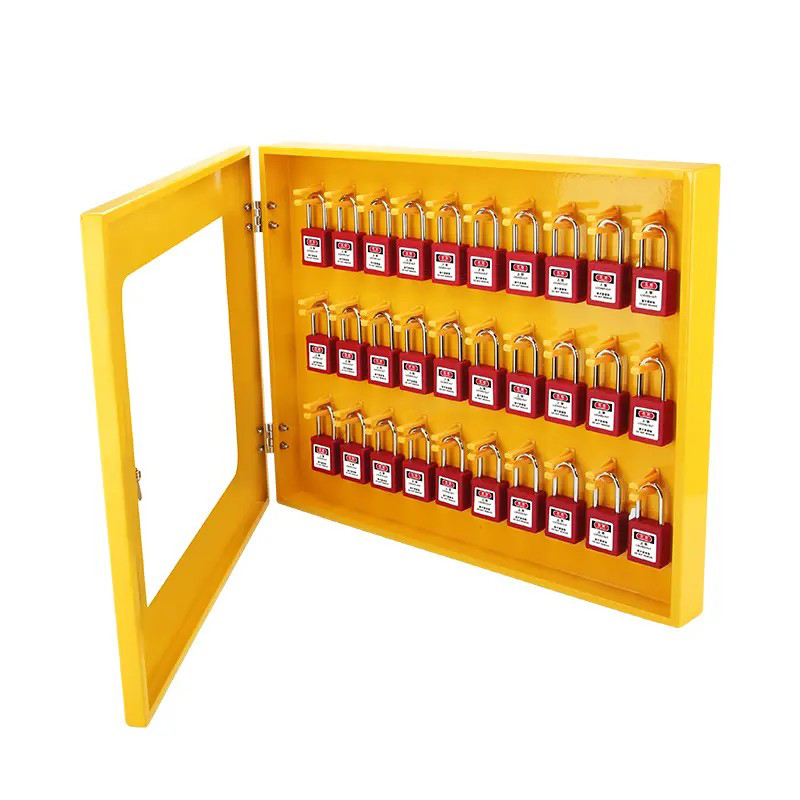
To overcome these challenges and ensure the effective use of lockout devices, companies should adhere to the following best practices:
Lockout devices play a pivotal role in maintaining safety in the oil and gas industry. By preventing the unexpected release of hazardous energy, these devices protect workers, safeguard valuable equipment, and ensure compliance with industry regulations. Implementing a standardized Lockout Tagout program, coupled with comprehensive training and regular audits, is essential for creating a safety-conscious culture in oil and gas operations. Investing in reliable lockout devices is not just a regulatory requirement; it is a commitment to the well-being of the workforce and the continued success of operations.
For more information on high-quality lockout devices, contact ELECPOPULAR SAFETY today and ensure your workforce remains safe and compliant.




COPYRIGHT© 2024 Elecpopular Safety Products Co., Ltd. All rights reserved.
Designed by 


