Maintenance work in industrial environments often involves direct contact with systems that contain chemicals, gases, or pressurized fluids. If these systems are not properly controlled, unexpected releases can occur, leading to dangerous chemical reactions, fires, or exposure risks. Therefore, ensuring complete isolation of energy and material flow is essential before any work begins. In this context, valve lockouts play a critical role in preventing hazardous reactions and maintaining a safe working environment.
First of all, valve lockouts are safety devices designed to secure valves in a fixed position, usually in the closed state. By physically blocking the valve handle or control mechanism, they prevent accidental or unauthorized operation.
In addition, valve lockouts are an important part of a Lockout Tagout (LOTO) system. While the lockout device provides physical protection, tags communicate important safety information to workers. Together, they ensure that no one can reopen the valve while maintenance is in progress, reducing the risk of hazardous material release.
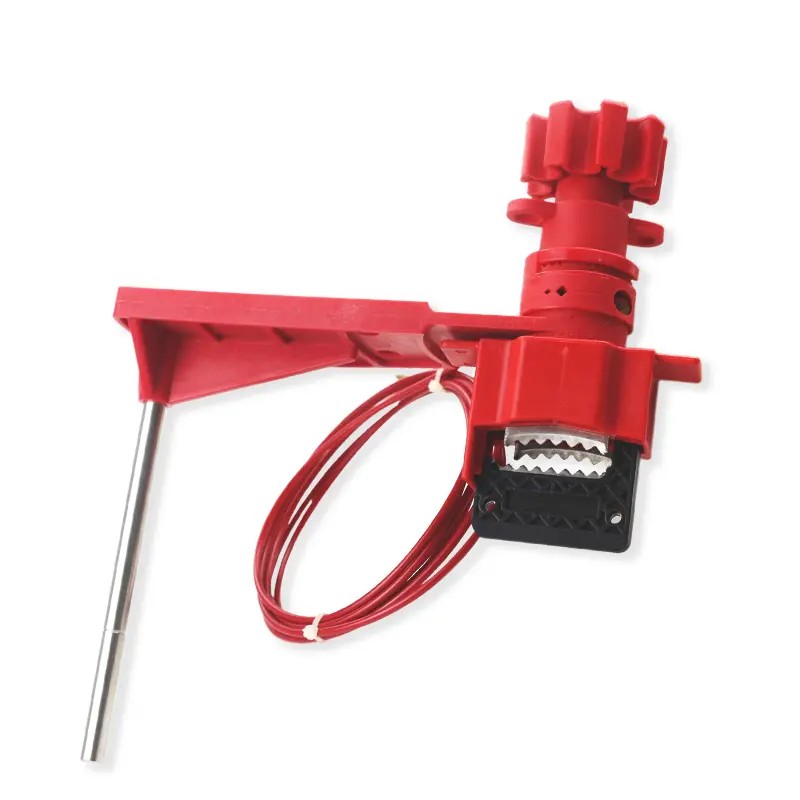
Before discussing prevention, it is important to understand how hazardous reactions occur. One common cause is the accidental opening of a valve, which can introduce chemicals into a system where they should not mix. Even small amounts of incompatible substances can trigger dangerous reactions.
Another cause is residual pressure or trapped energy within pipelines or tanks. If not properly isolated, this stored energy can suddenly release, leading to spills or chemical exposure. Furthermore, in complex systems with multiple valves, poor communication among workers can result in incorrect valve operation. These factors highlight the need for reliable control measures.
Given these risks, valve lockouts provide a simple but effective solution. By locking valves in the closed position, they ensure that no substances can enter or leave the system during maintenance. This prevents unintended mixing of chemicals and eliminates one of the main triggers of hazardous reactions.
Moreover, valve lockouts help maintain system stability. When a valve is securely locked, workers can perform maintenance tasks with confidence, knowing that the flow of materials is fully controlled. As a result, the risk of sudden pressure changes or chemical exposure is significantly reduced.
When looking at real-world applications, valve lockouts are widely used across various industries. In chemical processing plants, they prevent the mixing of reactive substances during equipment servicing. In oil and gas facilities, they help isolate pipelines carrying flammable materials, reducing the risk of fire or explosion.
Similarly, in water treatment and pharmaceutical industries, valve lockouts ensure that controlled processes are not disrupted by accidental valve operation. Because these environments often involve strict safety requirements, valve lockouts are considered essential tools for safe maintenance.
To ensure proper use, valve lockouts should be applied following a clear procedure. First, identify all valves connected to the system and determine which ones must be isolated. Next, shut off the valve completely to stop the flow of materials.
After that, install the appropriate valve lockout device and secure it with a safety padlock. A warning tag should also be attached, clearly stating that maintenance is in progress and the valve must not be operated. Finally, verify that the valve is fully secured and that no flow or pressure remains in the system.
By following these steps, workers can effectively prevent hazardous reactions during maintenance.
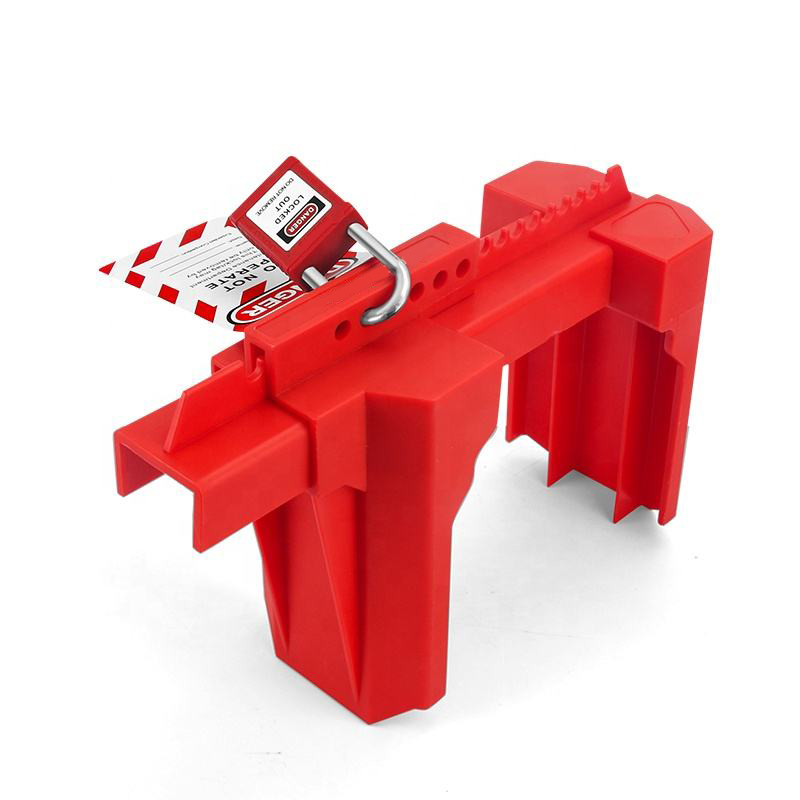
In addition to correct usage, following best practices can further improve safety outcomes. Regular inspection of valve lockout devices ensures they remain in good working condition. Any damaged or worn components should be replaced promptly.
Furthermore, employee training is essential. Workers must understand how to correctly apply valve lockouts and why they are necessary. In situations involving multiple workers, group lockout procedures should be used to ensure that each person maintains control over their own safety.
Clear labeling and communication also play an important role in preventing mistakes and ensuring that everyone on site is aware of ongoing maintenance activities.
From a regulatory perspective, valve lockouts support compliance with safety standards related to hazardous energy control. Organizations such as OSHA require proper isolation procedures during maintenance to prevent accidents.
By implementing valve lockouts as part of a structured LOTO program, companies can meet these requirements and improve overall safety performance. Compliance not only reduces legal risks but also demonstrates a strong commitment to worker protection.
In summary, hazardous reactions during maintenance are often caused by uncontrolled flow, accidental valve operation, or improper isolation. Valve lockouts provide an effective solution by physically securing valves and preventing unintended material movement.
By using valve lockouts correctly, following standard procedures, and maintaining strong safety practices, companies can significantly reduce risks and protect both workers and equipment.
ELECPOPULAR SAFETY specializes in high-quality lockout tagout devices, including a full range of valve lockouts designed for industrial applications. With reliable performance, strict quality control, and global service support, ELECPOPULAR SAFETY helps businesses improve workplace safety and ensure compliance. Contact ELECPOPULAR SAFETY today to upgrade your LOTO system and create a safer maintenance environment.




COPYRIGHT© 2024 Elecpopular Safety Products Co., Ltd. All rights reserved.
Designed by 


