In industrial environments, controlling hazardous energy during maintenance and repair work is a fundamental safety requirement. Lockout Tagout (LOTO) procedures are designed to prevent unexpected machine startup, and within these systems, cable lockouts play an increasingly important role. Compared with fixed lockout devices, cable lockouts offer greater flexibility, durability, and adaptability for complex equipment. As a result, they have become a practical safety solution across many industrial settings.
To begin with, cable lockouts are lockout devices that use a flexible cable to secure energy-isolating points such as valves, switches, or electrical panels. Unlike rigid lockout products, cable lockouts can loop through multiple control points and be tightened to prevent movement. This design makes them especially useful in environments where equipment layouts are irregular or where several energy sources must be isolated at the same time.
As part of a complete LOTO program, cable lockouts help ensure that machinery remains in a safe, de-energized state while maintenance is being performed. Their adaptability supports consistent application of safety procedures across different types of equipment.
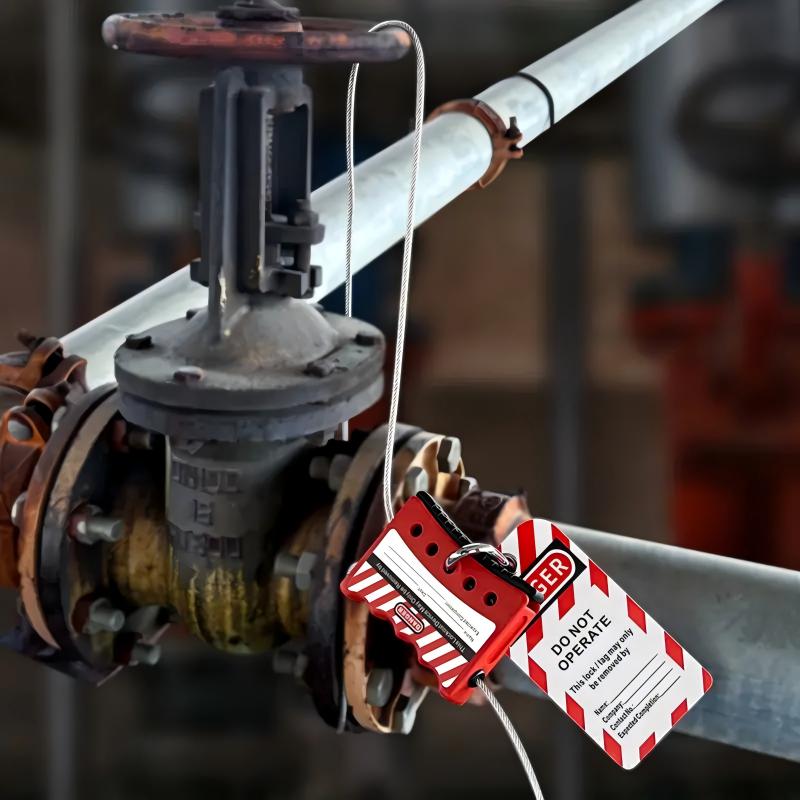
From a material perspective, durability is one of the most significant advantages of cable lockouts. Many industrial cable lockouts use steel cables, which are known for their strength and resistance to physical damage. Compared with plastic or nylon alternatives, steel cable lockouts perform better in demanding environments.
In manufacturing plants, construction sites, and energy facilities, lockout devices may be exposed to heat, dust, vibration, and mechanical impact. Steel cable lockouts are designed to withstand these conditions without losing functionality. As a result, their long service life helps maintain reliable energy isolation and reduces the risk of device failure during critical maintenance tasks.
Beyond durability, cable lockouts also enhance equipment security. Unauthorized removal or bypassing of lockout devices can lead to serious accidents. Steel cable lockouts, in particular, offer strong resistance to cutting or forced removal, making tampering more difficult.
By securely locking control points, cable lockouts help prevent accidental or unauthorized re-energization of machinery. This protection is essential not only for worker safety but also for safeguarding valuable equipment. In this way, cable lockouts support both operational safety and asset protection in industrial facilities.
Another key benefit lies in the flexibility of cable lockouts. Industrial equipment often has multiple energy sources, such as electrical, pneumatic, hydraulic, or mechanical systems. Fixed lockout devices may not fit all configurations, especially on large or irregular machinery.
Cable lockouts can be routed through multiple isolation points and adjusted to different shapes and distances. This makes them suitable for locking valves, circuit breakers, control panels, and oversized switches. By using one cable lockout to secure several points, maintenance teams can achieve effective isolation without complicated setups.
In daily operations, ease of use is critical for safety compliance. Cable lockouts are designed to be simple to install, adjust, and remove. This simplicity reduces the time required to complete lockout procedures, especially during planned shutdowns or routine maintenance.
Because cable lockouts are easy to understand and apply, they also help reduce human error. Workers can quickly verify that equipment is properly secured, which supports consistent use of LOTO procedures. Over time, this ease of use contributes to better safety habits across the workforce.
Compliance with safety regulations is a core responsibility for industrial employers. Regulatory bodies such as OSHA require effective energy control procedures to protect workers from hazardous energy. Cable lockouts support compliance by providing reliable and visible isolation of energy sources.
Studies from safety organizations show that well-implemented LOTO programs significantly reduce workplace accidents related to unexpected equipment startup. By using standardized lockout devices, including cable lockouts, companies can demonstrate adherence to safety standards during audits and inspections. This not only protects employees but also reduces legal and regulatory risks.
While safety equipment is often viewed as a cost, cable lockouts offer long-term economic value. Their durable construction means fewer replacements over time, which lowers maintenance and purchasing expenses. In addition, preventing accidents helps avoid costs related to injuries, equipment damage, and production downtime.
From a management perspective, investing in reliable cable lockouts supports both safety goals and operational efficiency. Over the long term, this makes cable lockouts a cost-effective component of industrial safety programs.
Due to their versatility, cable lockouts are widely used across industries. These include manufacturing and processing plants, construction projects, power generation facilities, oil and gas operations, and warehouses with heavy machinery. In each of these settings, the ability to secure complex equipment makes cable lockouts a practical choice for energy isolation.
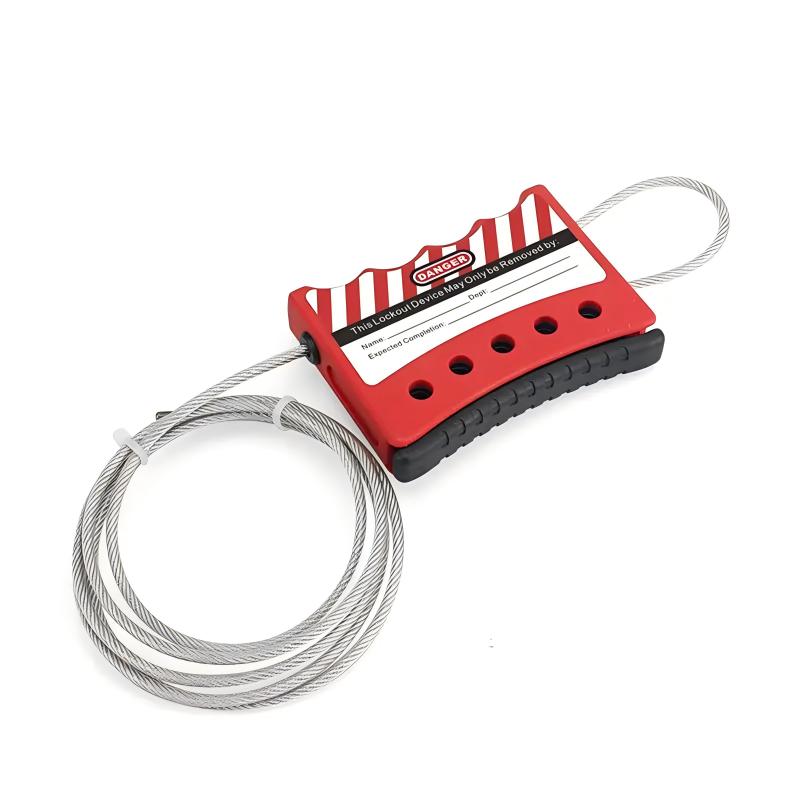
In summary, cable lockouts provide clear benefits in industrial settings, including enhanced durability, improved security, flexible application, ease of use, and strong support for regulatory compliance. By addressing real-world challenges in energy control, they help reduce the risk of accidents and improve overall workplace safety.
For companies looking to strengthen their Lockout Tagout programs, choosing high-quality cable lockout devices is a practical and effective step.
ELECPOPULAR SAFETY is committed to providing reliable cable lockout solutions and comprehensive LOTO products designed for demanding industrial environments. Contact ELECPOPULAR SAFETY today to support safer operations and stronger compliance across your facility.




COPYRIGHT© 2024 Elecpopular Safety Products Co., Ltd. All rights reserved.
Designed by 


