Lockout hasps play a critical role in maintaining workplace safety, especially when dealing with complex maintenance tasks. As equipment becomes more advanced and involves multiple energy sources, the need for reliable lockout tagout solutions grows. This leads us to understand why a lockout hasp is an essential tool for isolating hazardous energy and protecting workers during repair or servicing.
To begin with, a lockout hasp makes it possible for multiple workers to secure one energy isolation point. In heavy industries, manufacturing lines, and large facilities, maintenance often involves a team rather than just one person. Using a lockout hasp allows each team member to apply their personal padlock, ensuring that equipment cannot be restarted until the last worker removes their lock. This system creates a clear and secure method of group energy isolation, forming a key part of modern LOTO programs.
Before exploring specific applications, it is helpful to understand the basic mechanism behind a lockout hasp. Once a machine is powered down and isolated, the hasp is attached to the energy control point—such as a switch, valve, or breaker handle. This provides both physical security and visual confirmation that the equipment is locked out.
At this stage, the lockout hasp physically blocks the machine’s energy point from being switched back on. The presence of the hasp acts as a strong message that the equipment is under maintenance and must remain off.
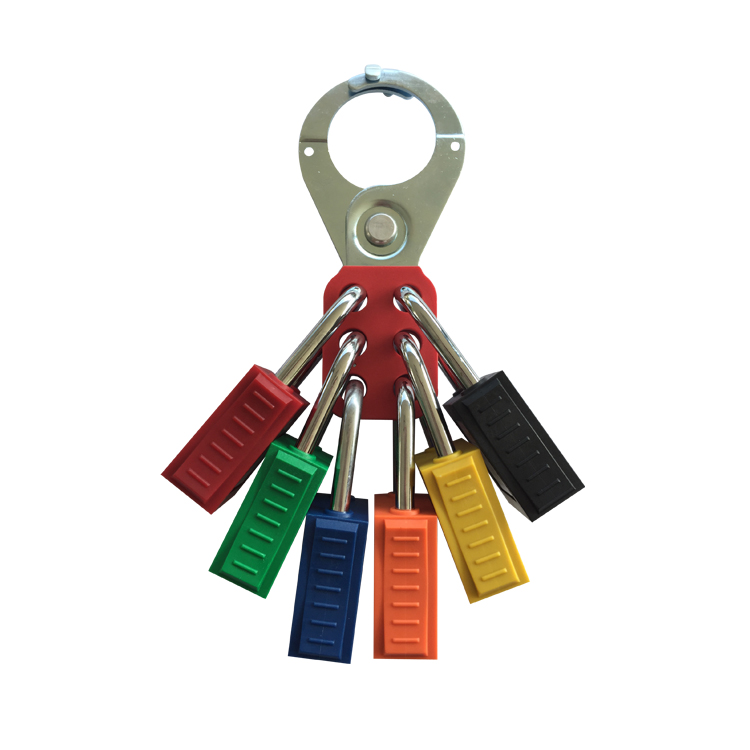
Next, one of the most important features of a lockout hasp is its ability to hold multiple padlocks. Each worker involved in the maintenance attaches their own padlock to the hasp. As long as one padlock remains in place, the machine cannot be reactivated.
In addition to physical protection, the hasp provides clear visibility. Anyone walking by can see that several padlocks are in place, meaning a group procedure is ongoing. This reduces confusion and raises awareness throughout the facility.
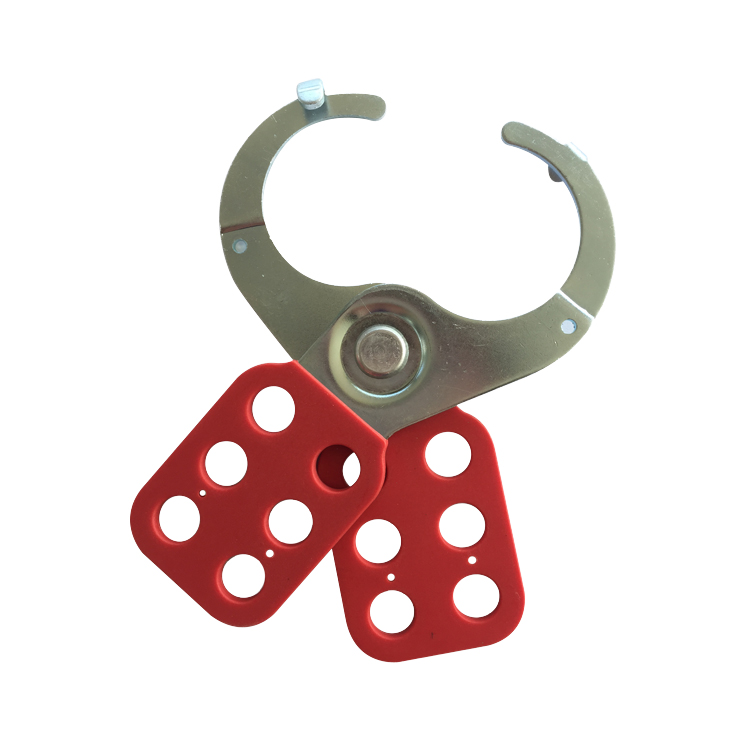
Since maintenance conditions vary across industries, different types of lockout hasps are used to meet diverse needs. Choosing the right type ensures better safety and smoother operations.
Standard metal hasps are common in general manufacturing. They are durable, easy to apply, and suitable for most indoor maintenance tasks.
When dealing with large teams, group lockout hasps offer extra capacity for more padlocks. This is especially useful in multi-department repairs or when several technicians must follow LOTO procedures.
For harsh environments, stainless steel is the preferred option. It offers strong resistance against corrosion, chemicals, and moisture. This makes it ideal for food processing, chemical plants, and outdoor operations.
In some scenarios, coated hasps provide additional durability. The coating helps protect the metal from abrasion or environmental damage, extending the product’s lifespan.
With the types of hasps understood, the next step is knowing how to apply them correctly. Proper use is essential for effective energy isolation.
First, identify all energy sources. Some machines contain electrical, mechanical, hydraulic, or pneumatic power. Verifying that each source is isolated ensures safe maintenance.
Once isolated, attach the lockout hasp to the energy control point such as a switch handle or valve lever. Make sure the hasp fits securely and cannot be removed without unlocking.
Each worker places their personal padlock through the hasp. This step follows the LOTO principle of “one lock, one key, one person.” Only the owner of the padlock has the authority to unlock it.
Before starting repair work, check that the equipment cannot restart. In complex systems, a try-out test helps confirm correct isolation.
Finally, attach a clear tag showing the name, department, and time of lockout. Good communication prevents accidental removal and keeps the whole team informed.
Lockout hasps are widely used across various industries where equipment has multiple control points or requires coordinated team maintenance.
Many production lines involve interconnected machines. A lockout hasp helps different technicians secure the same control point during a coordinated shutdown.
These environments often involve high-risk machinery with hydraulic or mechanical energy. A lockout hasp protects workers during complex repairs in remote or rugged locations.
In these areas, stainless steel or coated hasps are commonly used to resist corrosive materials and outdoor exposure.
To improve the efficiency of your lockout program, it helps to follow several best practices:
Following these steps creates a safer workplace and ensures compliance with lockout tagout requirements.
In complex maintenance scenarios, lockout hasps provide a dependable and effective way to secure energy isolation points. Their ability to support multiple padlocks, offer strong visibility, and adapt to different environments makes them essential tools in any LOTO program. By selecting the right type of hasp and following proper procedures, facilities can significantly reduce the risk of unexpected equipment startup during maintenance.
For reliable and durable lockout tagout devices, choose ELECPOPULAR SAFETY, a trusted lockout hasp manufacturer committed to workplace safety and high-quality LOTO solutions.




COPYRIGHT© 2024 Elecpopular Safety Products Co., Ltd. All rights reserved.
Designed by 


